The story behind the Sarajevo Safari sits in the uneasy space between documented history and whispered atrocity. It draws attention from those who study conflict, war crimes, and the shadows of human behaviour.
For many, it is one of the most disturbing claims to surface from the Bosnian War. For others, it remains a contested narrative that reflects the scale of cruelty the city endured during its siege.
Read more: How Animals Are Killed for Meat Consumption

Background of the Siege of Sarajevo
The Sarajevo Safari sits within one of the darkest chapters of the Bosnian War. The term describes allegations that foreign visitors were taken to elevated positions around the city during the siege of Sarajevo, where they observed or participated in sniper activity. The subject is unsettling, yet it is part of the city’s recorded memory, shaped by testimony and the quiet persistence of those who lived through the conflict.
Sarajevo spent close to four years encircled. Mountains that cradle the city in peacetime became lines of fire. Streets shifted with dust and broken stone. Movement required instinct and timing. Daily life relied on short crossings between sheltered corners. It is within this landscape that the Sarajevo Safari is said to have taken place.
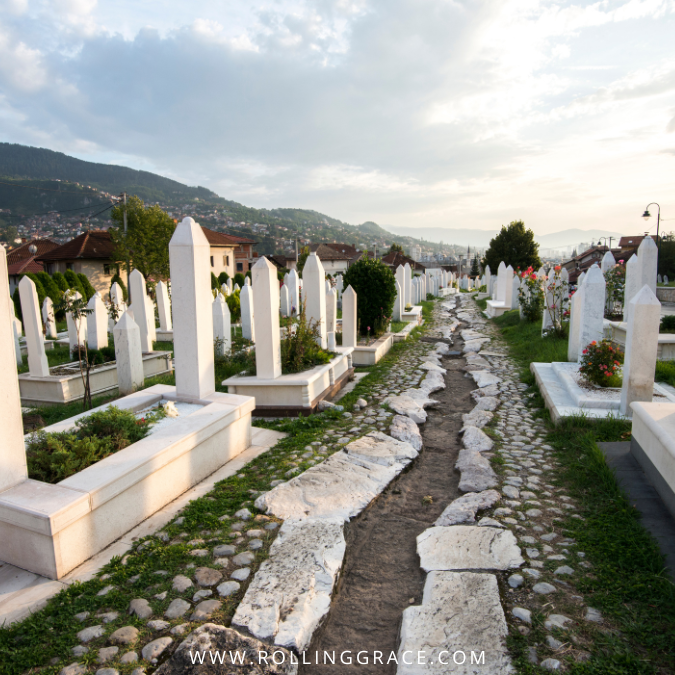
Origins of the Term Sarajevo Safari
The Sarajevo Safari refers to allegations that foreign visitors were invited to observe the siege from positions on the hills. Some accounts describe an even darker version, where individuals allegedly paid to fire at civilian targets. These claims gained wider attention through investigative journalism and a documentary of the same name, which explores testimonies from soldiers and residents who lived through the siege.
There has never been full judicial verification, and the topic remains sensitive. Yet the very existence of the allegation reveals how deeply violence marked the city and how easily war can distort moral boundaries.
Testimonies and Evidence
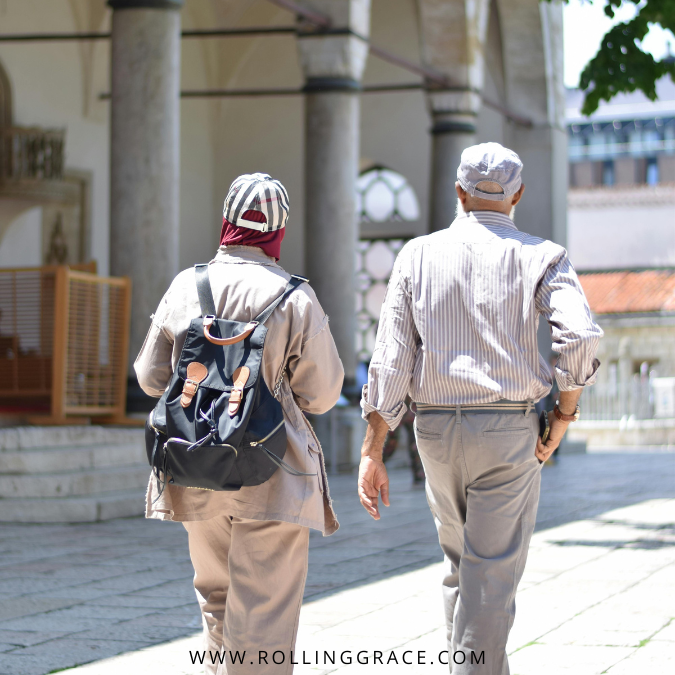
There is no complete judicial record, which leaves the story in a difficult space between memory and formal documentation. Still, the testimonies align with the broader brutality of the siege. Many who speak about the Sarajevo Safari do so with a measured tone, aware of the weight carried by every detail. Their accounts form the core of what is known.
Locations of the Sarajevo Safari
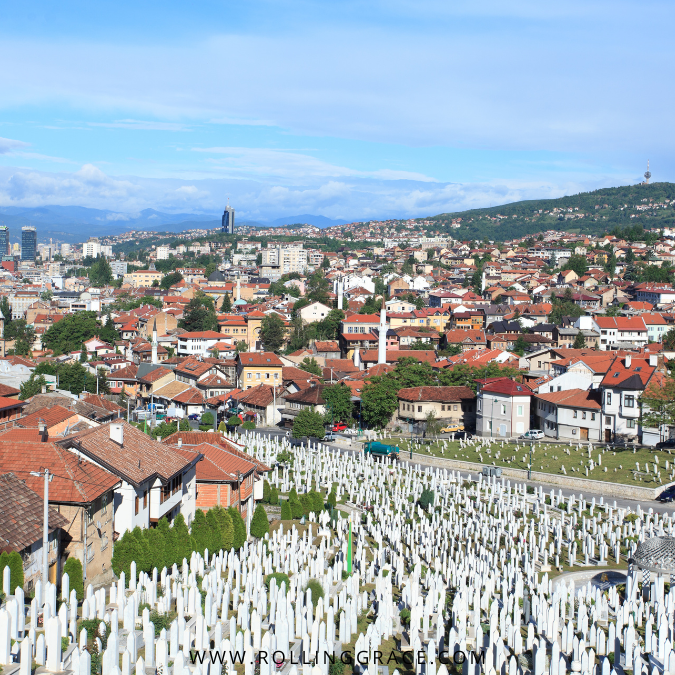
Trebevic, Igman, and other ridges above the city often appear in descriptions of the alleged events. These slopes overlook Sarajevo with clear, open views. Today the same paths are lined with pine and scattered light. Their quiet presence contrasts sharply with the vantage points they offered during the war.
Significance in Historical Study
The Sarajevo Safari reveals how conflict can erode moral boundaries. It illustrates a moment when violence was observed with detachment, and in some accounts, treated as entertainment. Studying these allegations helps researchers understand how foreign actors may have influenced events around the siege. It also preserves a difficult part of Sarajevo’s memory, ensuring that the city’s stories are held with clarity rather than speculation.
Further Reading
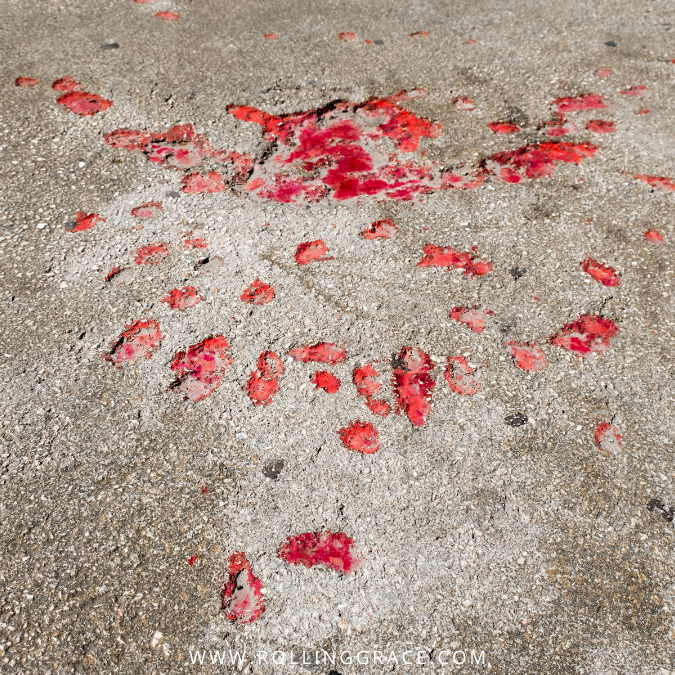
Those seeking deeper knowledge can turn to the documentary Sarajevo Safari, archived testimony from survivors, and reports that trace patterns of behaviour during the siege. These sources contribute to a broader understanding of how the allegations arose and why they continue to provoke reflection.
Planning a Visit to Sarajevo
Travellers with an interest in history will find that Sarajevo invites reflection rather than spectacle. Key sites include the Sarajevo Tunnel Museum, the Museum of Crimes Against Humanity and Genocide, and the War Childhood Museum. Each offers a quiet, grounded view into the years of conflict. Guided tours to former front line positions allow visitors to learn from those who witnessed the siege first-hand.
Love stories like this? Subscribe to the Rolling Grace newsletter for thoughtful travel notes, hidden dining gems, and slow discoveries from across Asia.
Leave a Reply