The story behind the Sarajevo Safari sits in the uneasy space between documented history and whispered atrocity. It draws attention from those who study conflict, war crimes, and the shadows of human behaviour.
For many, it is one of the most disturbing claims to surface from the Bosnian War. For others, it remains a contested narrative that reflects the scale of cruelty the city endured during its siege.
Read more: How Animals Are Killed for Meat Consumption

Background of the Siege of Sarajevo
The Sarajevo Safari sits within one of the darkest chapters of the Bosnian War. The term describes allegations that foreign visitors were taken to elevated positions around the city during the siege of Sarajevo, where they observed or participated in sniper activity. The subject is unsettling, yet it is part of the city’s recorded memory, shaped by testimony and the quiet persistence of those who lived through the conflict.
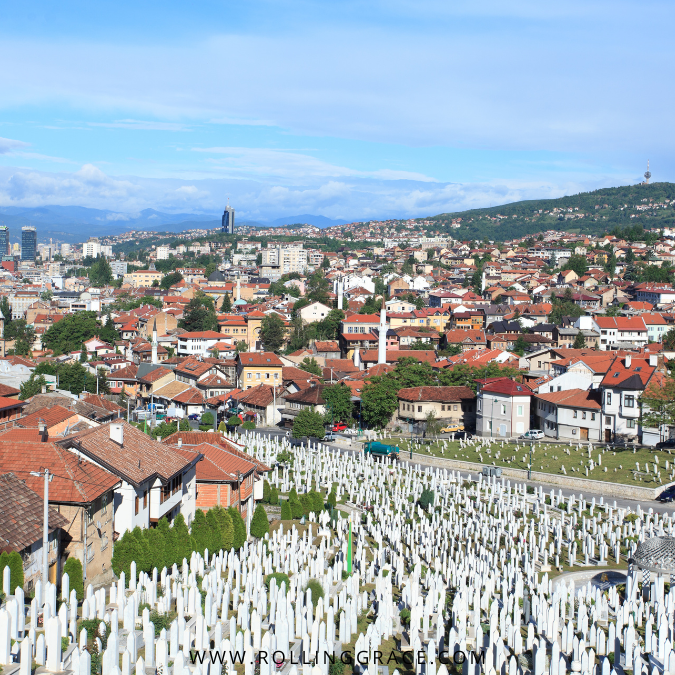
Sarajevo spent close to four years encircled. Mountains that cradle the city in peacetime became lines of fire. Streets shifted with dust and broken stone. Movement required instinct and timing. Daily life relied on short crossings between sheltered corners. It is within this landscape that the Sarajevo Safari is said to have taken place.
Origins of the Term Sarajevo Safari
The Sarajevo Safari refers to allegations that foreign visitors were invited to observe the siege from positions on the hills. Some accounts describe an even darker version, where individuals allegedly paid to fire at civilian targets. These claims gained wider attention through investigative journalism and a documentary of the same name, which explores testimonies from soldiers and residents who lived through the siege.
There has never been full judicial verification, and the topic remains sensitive. Yet the very existence of the allegation reveals how deeply violence marked the city and how easily war can distort moral boundaries.
Testimonies and Evidence
There is no complete judicial record, which leaves the story in a difficult space between memory and formal documentation. Still, the testimonies align with the broader brutality of the siege. Many who speak about the Sarajevo Safari do so with a measured tone, aware of the weight carried by every detail. Their accounts form the core of what is known.
Locations of the Sarajevo Safari
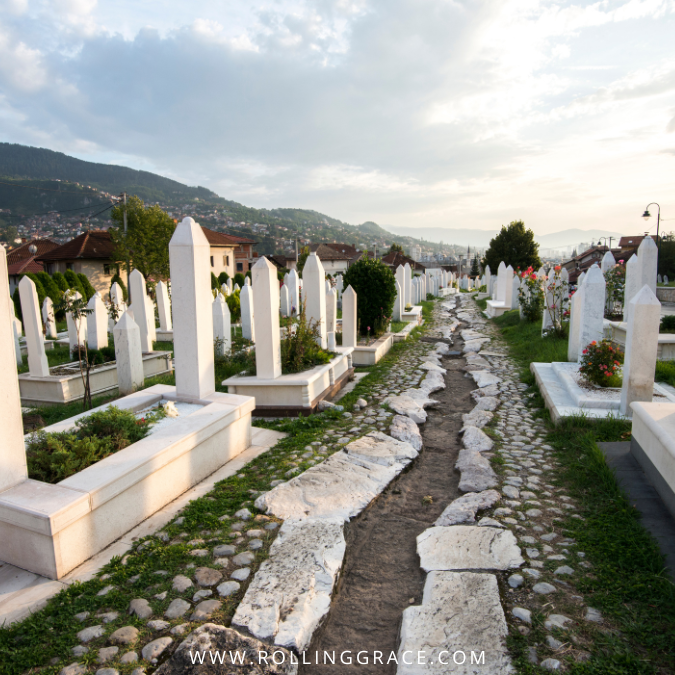
Trebevic, Igman, and other ridges above the city often appear in descriptions of the alleged events. These slopes overlook Sarajevo with clear, open views. Today the same paths are lined with pine and scattered light. Their quiet presence contrasts sharply with the vantage points they offered during the war.
Significance in Historical Study
The Sarajevo Safari reveals how conflict can erode moral boundaries. It illustrates a moment when violence was observed with detachment, and in some accounts, treated as entertainment.
Studying these allegations helps researchers understand how foreign actors may have influenced events around the siege. It also preserves a difficult part of Sarajevo’s memory, ensuring that the city’s stories are held with clarity rather than speculation.
Planning a Visit to Sarajevo
Sarajevo rewards travellers who come prepared to listen. For anyone with an interest in modern history, the city does not offer spectacle so much as testimony.
Key sites include the Sarajevo Tunnel Museum, the Museum of Crimes Against Humanity and Genocide, and the War Childhood Museum. Each offers a quiet, grounded entry point into the years of conflict that shaped the city.
Guided tours to former front line positions allow visitors to hear from those who witnessed the siege first-hand, often in the very streets where it unfolded.
Sarajevo War Sites Worth Visiting
Sarajevo Tunnel Museum
The Sarajevo Tunnel Museum, located in the Butmir neighbourhood near the airport, preserves the tunnel that served as the city’s only lifeline during the 1,425-day siege. Dug beneath the UN-controlled airport runway, it allowed food, weapons, and people to pass in and out of the besieged city. A section of the original tunnel remains accessible to visitors, and the family who built and maintained it still runs the museum today. It is one of the most visceral reminders of how the city endured.
Museum of Crimes Against Humanity and Genocide
The Museum of Crimes Against Humanity and Genocide documents the atrocities committed across Bosnia and Herzegovina between 1992 and 1995, with particular focus on the Srebrenica massacre, in which more than 8,000 Bosniak men and boys were killed. The museum holds photographic evidence, personal testimonies, and legal documentation from the International Criminal Tribunal for the former Yugoslavia. It is not an easy place to move through, and it is not meant to be.
War Childhood Museum
The War Childhood Museum began as a social media project when author Vuk Ćosić asked Sarajevans to complete the sentence “War childhood is…” in one word. The responses became a book, and later a museum. Its exhibits are built entirely from personal objects and testimonies donated by people who were children during the siege. It has since travelled internationally and won the Council of Europe Museum Prize in 2018.
Markale Market
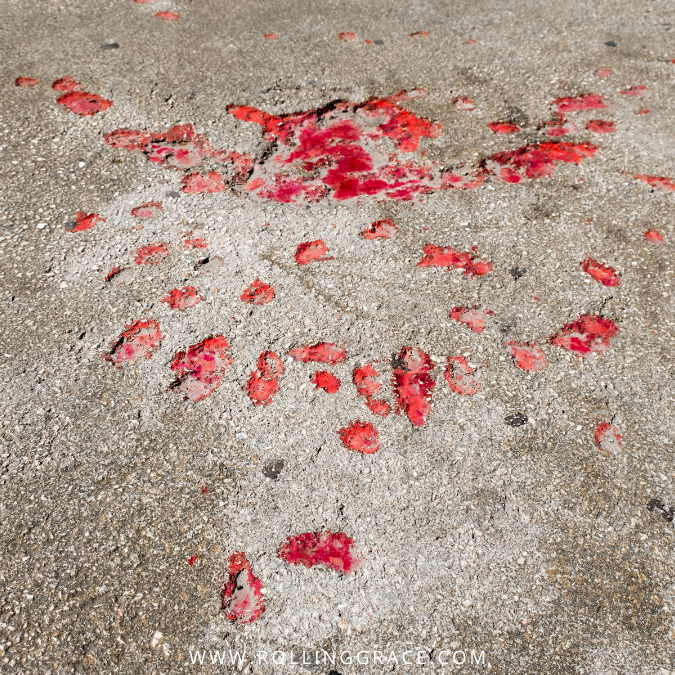
Beyond the museums, Sarajevo’s streets hold their own record. The Markale market, where two mortar attacks in 1994 and 1995 killed dozens of civilians, remains an active marketplace today. Rose-shaped scars in the pavement, filled with red resin and known as Sarajevo Roses, mark the spots where shells landed and people died. Many have since been removed as the city rebuilds, making those that remain all the more significant to seek out.
Learn More About Sarajevo Safari
The 2022 documentary Sarajevo Safari is the sharpest place to start. Directed by Miran Zupanič, it draws on archival footage and witness accounts to examine the allegations that foreign nationals paid to shoot at civilian targets during the siege.
For those who want primary testimony, the International Criminal Tribunal for the former Yugoslavia has published extensive records online, including witness statements and trial documentation that cover the conduct of both foreign actors and local commanders.
These are not easy sources, but they are the ones that hold the full weight of what happened. Understanding Sarajevo Safari as a phenomenon means sitting with the discomfort of what they reveal.
Get the good stuff first. Join Rolling Grace for the restaurants worth crossing a city for, the stays worth the upgrade, and the places to go before everyone else. Free, straight to your inbox.
Leave a Reply