Shisha culture moves with cities. In Kuala Lumpur it settles into late-night café setups in Bukit Bintang and Bangsar, where the pipe arrives before the food and the evening stretches without a fixed end. In Osaka it operates quietly, in small bars built for regulars. In El Nido it faces the sea and runs on fruit flavours and salt air.
What draws people to shisha is rarely just the smoke. It is the pace it creates. An hour at a good lounge moves differently from an hour anywhere else. The pipe gives the evening a shape.
This guide covers where shisha is available across cities we have visited. Discover how venues are set up, what they serve, and what the experience actually feels like. We do not rank cities against each other. Each one has its own standard.
Table of Contents
Shisha Guide in Malaysia
Malaysia is where this guide is most detailed. Kuala Lumpur alone has enough variation to sustain a dedicated guide of its own, from the polished hotel lounges of Bukit Bintang to the open-air cafés of Bangsar and the quieter spots tucked into residential neighbourhoods like TTDI and Hartamas.
Shisha arrived in the Klang Valley through Middle Eastern and Arab restaurants, many of which remain among the best places to go. It has since spread into the general café culture of the city. Prices vary significantly between venues. Setting matters as much as the pipe itself.
Outside the capital, Langkawi offers a beach-adjacent version of the experience, where the lounge culture is more relaxed and the customer is usually a visitor rather than a regular.

Shisha Guide in Kuala Lumpur
Kuala Lumpur’s shisha scene is concentrated in a few distinct pockets. Bukit Bintang holds the most formal options: hotel lounges, Lebanese and Middle Eastern restaurants with consistent pipe service and full menus. Bangsar is more varied, mixing long-running spots with newer cafés that serve shisha as a secondary offering. Mont Kiara and Hartamas tend quieter, suited to later nights with smaller groups.
Prices in Kuala Lumpur run from around RM60 at mid-range venues to above RM100 at hotel lounges and rooftop settings. Most places include coal changes as standard. The difference between a good session and a poor one is usually the coal management and the charcoal type. Natural coconut shell charcoal performs consistently. Quick-light charcoal does not.

18 Best Shisha in Kuala Lumpur: Top Hookah Spots in KL
Shisha in Kuala Lumpur stretches from polished hotel lounges in the Golden Triangle to no-frills Middle Eastern restaurants in Kampung…
Outside Kuala Lumpur
Petaling Jaya and Subang Jaya have grown their own shisha scenes independently of the city centre. Subang Jaya in particular has a concentration of cafés near SS15 and USJ that run late and draw a regular local crowd rather than visitors. Cyberjaya operates similarly, with purpose-built student and young professional venues that are less polished but reliable.
Langkawi’s shisha is centred on Pantai Cenang and Kuah, where beach-facing venues and seafront cafés serve pipes to a predominantly tourist crowd. Evenings are slower, sessions longer, and the connection to Middle Eastern café culture is looser than in the city.

8 Best Shisha in Langkawi Near Pantai Cenang and Kuah
Shisha in Langkawi is centred around Pantai Cenang and Kuah, where beachfront cafés and Middle Eastern restaurants offer relaxed evening…
Shisha Guide in Australia
Sydney and Melbourne carry the most established hookah scenes outside Asia in this guide. Both cities have Middle Eastern communities that have sustained lounge culture over decades, with venues in areas like Lakemba and Fairfield in Sydney, and Coburg and Brunswick East in Melbourne running on a different register from the tourist-facing spots.
The experience in Australia is generally well-served with consistent coal management, broad flavour selection, and venues built specifically for the purpose rather than shisha offered as a menu add-on.

Shisha in Sydney: Top 11 Hookah Lounges
Sydney’s shisha scene is anchored by the city’s Middle Eastern communities across the inner west and southwestern suburbs, with a…
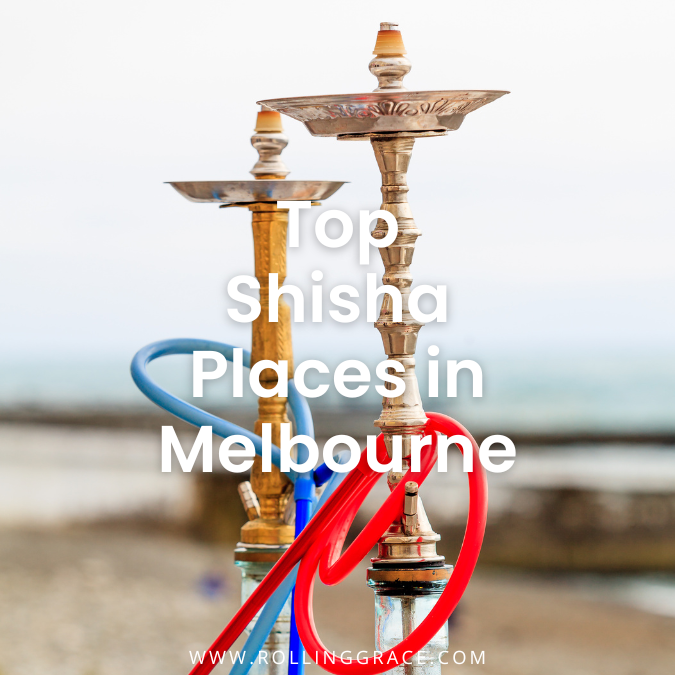
Top 10 Best Shisha in Melbourne, Australia
Melbourne carries one of the most established shisha scenes in Australia, built on decades of Middle Eastern migration and a…
Shisha Guide in Southeast Asia
Shisha has a presence in most major Southeast Asian cities, though its depth varies. Manila and Jakarta have established scenes built partly around Middle Eastern restaurant culture and partly around the nightlife habits of younger urban crowds. Bangkok’s shisha lounges cluster around tourist corridors but carry enough consistency to be worth seeking out. El Nido’s scene is small, beach-oriented, and tied entirely to evening leisure after the island-hopping routes close.
Vietnam has a growing presence, particularly in Hanoi. Kathmandu is more surprising, as it has a small but functional scene that persists through the city’s busy tourist economy without much visibility from the outside.
Shisha Guide by City
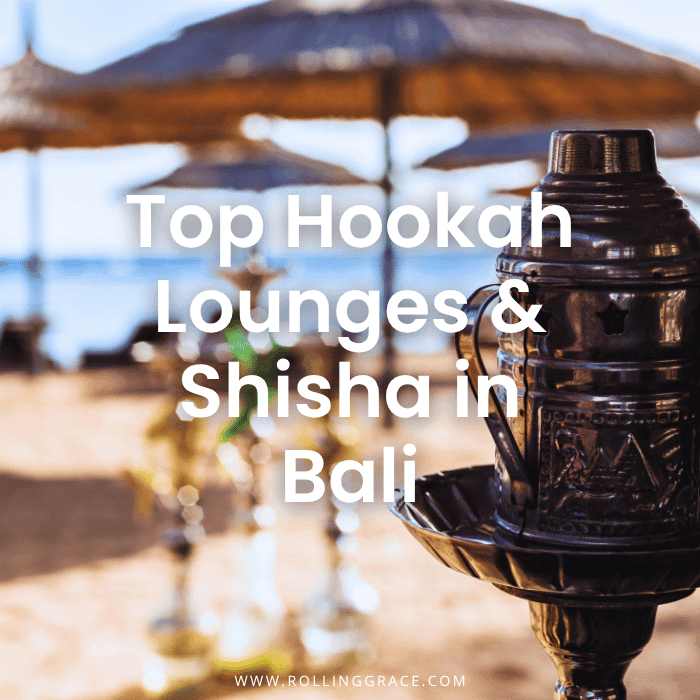
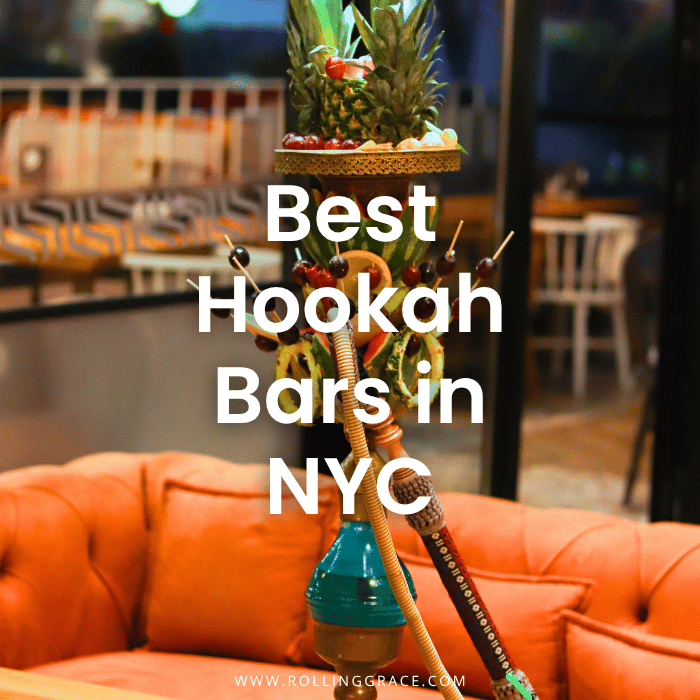
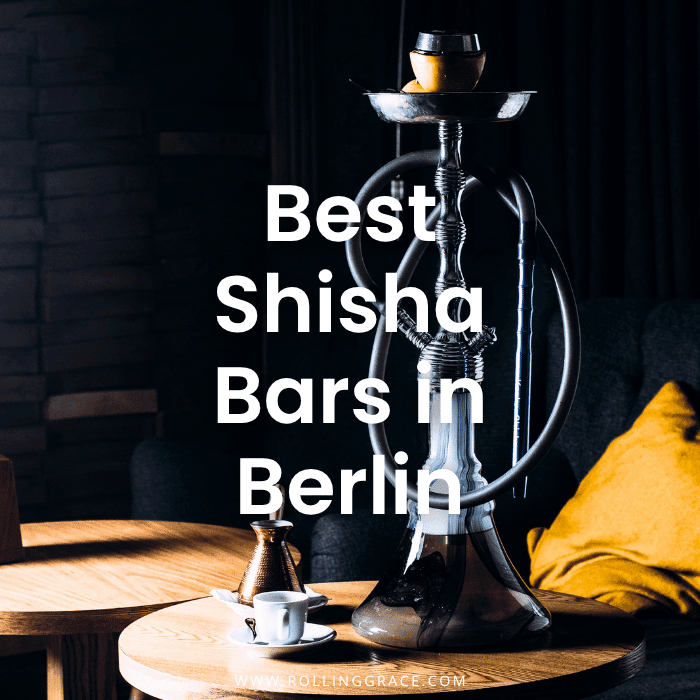



Something went wrong. Please refresh the page and/or try again.
What to Know Before You Go
Shisha quality depends on a small number of variables, and knowing them helps you choose where to spend the evening.
- Charcoal is the most important factor. Natural coconut shell charcoal burns hotter and cleaner than quick-light alternatives. Venues that use natural charcoal and manage the coals attentively produce a noticeably better session. Quick-light charcoal has a chemical taste that transfers to the smoke. It is a cost-cutting choice, not a stylistic one.
- Tobacco varies by brand, blend, and moisture level. Most venues carry standard commercial brands. Al Fakher and Starbuzz are common across Asia. Some venues in Japan and Korea carry Japanese or specialty blends not found elsewhere. If the venue lists the brand, that is a good sign.
- Flavour combinations are largely a matter of preference, but double apple, mint, grape, and mixed citrus blends are the most consistent performers across different batches and charcoal conditions. Cream-based and dessert flavours are more dependent on product freshness and tend to be hit or miss.
- Session length at most venues runs between 45 minutes and one hour per head before a refill or new pipe becomes relevant. Some venues charge per bowl, others include refills in the base price. Confirm before ordering.
- Health considerations apply. Shisha smoking carries risks associated with combustion smoke inhalation. A single session can involve significant smoke volume. Frequency and setting matter. This guide documents where shisha is available but it does not position the activity as risk-free.