Things to do in Mong Kok are best found on foot, moving slowly enough to catch what each street has to offer.
Mong Kok sits at the restless heart of Kowloon, a neighbourhood defined by density, movement and a pace that never truly slows. It is one of the most intensely lived-in parts of Hong Kong, where commerce, culture, and daily life overlap in tight, vertical layers. Streets feel compressed yet alive, filled with voices, colour, and an energy that feels distinctly local.
This is not a polished introduction to Hong Kong. Mong Kok offers something more honest. From night markets and neon signs to food stalls and street performers, the area reveals how the city functions when it is not curating itself for visitors. Spending time here brings you closer to everyday Hong Kong, unfiltered and unapologetic.
If you are planning a visit to the city, setting aside time for Mong Kok is essential. Below are the most meaningful things to do, seen through a slower, more observant lens.
Read also: Our Curated List: 15 Best Shisha in Hong Kong
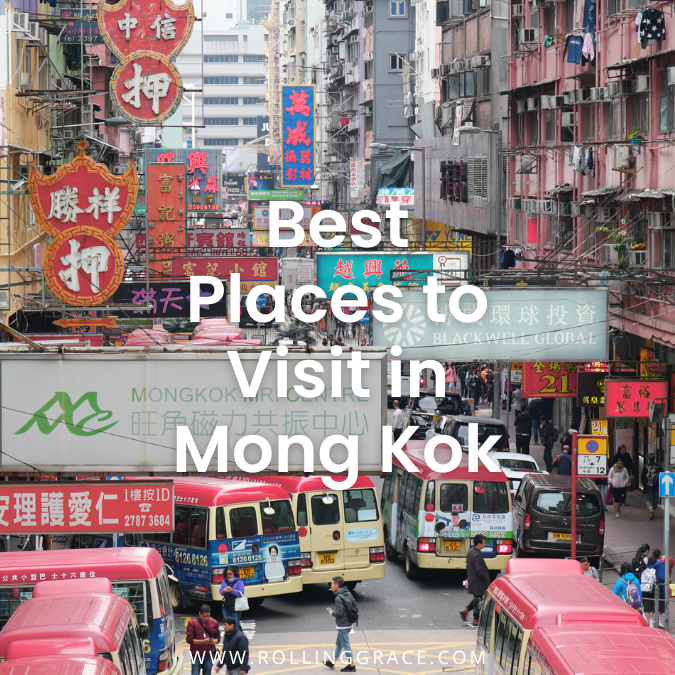
Explore Mong Kok’s Street Markets
The first thing you notice in Mong Kok is the sheer concentration of street markets. Each street carries its own focus and crowd. Together they form a dense network of trade that has shaped the neighbourhood for decades.
Ladies’ Market
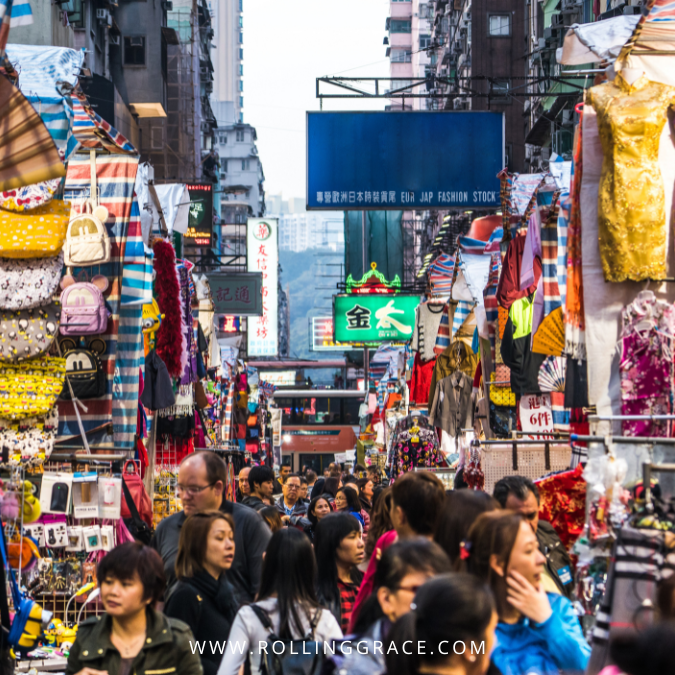
Stretching along Tung Choi Street for over a kilometre, the Ladies’ Market remains one of the most visited markets in Hong Kong. Despite its name, the offerings go well beyond women’s clothing. Stalls sell bags, accessories, phone cases, toys, and souvenirs, all arranged in narrow aisles that demand patience and curiosity.
Prices are rarely fixed, and bargaining is expected. The atmosphere becomes especially lively in the evening, when the lights come on and the street tightens with movement. It stands out as one of the top things to do in Mong Kok while exploring the area.
Fa Yuen Street Market
Often called Sneaker Street, Fa Yuen Street is known for its sportswear and footwear. Global brands line the road alongside smaller shops offering discounted or older-season releases. Beyond shoes, you will find casual clothing, accessories, and street snacks that keep shoppers lingering longer than planned.
The mix of locals, teenagers, and collectors gives the street a distinctly urban feel. It is often included in lists of the best things to do in Mong Kok.

Flower Market
A short walk from Mong Kok’s busiest streets brings you to the Flower Market, where the pace softens slightly. This historic market is filled with orchids, bonsai, flowering plants, and festive arrangements, especially busy during Lunar New Year periods.
It is a quieter counterpoint to Mong Kok’s intensity and a reminder of the city’s deep-rooted traditions.
Temple Street Night Market
Although technically closer to Yau Ma Tei, Temple Street remains closely tied to the Mong Kok experience. By night, it fills with food stalls, fortune tellers, and performers. The market blends spectacle with routine, serving both curious visitors and long-time regulars.
Observe Daily Life Through People Watching
Mong Kok offers some of the most compelling people watching in Hong Kong. Pavements become shared living rooms where generations overlap without ceremony. Elderly residents play board games by the roadside. Teenagers gather around bubble tea shops. Shopkeepers eat quietly behind their counters.
Spending time here without an agenda reveals how the city breathes. This is where Hong Kong feels most human. It remains one of the interesting things to do in Mong Kok during a visit.

Watch Street Performances After Dark
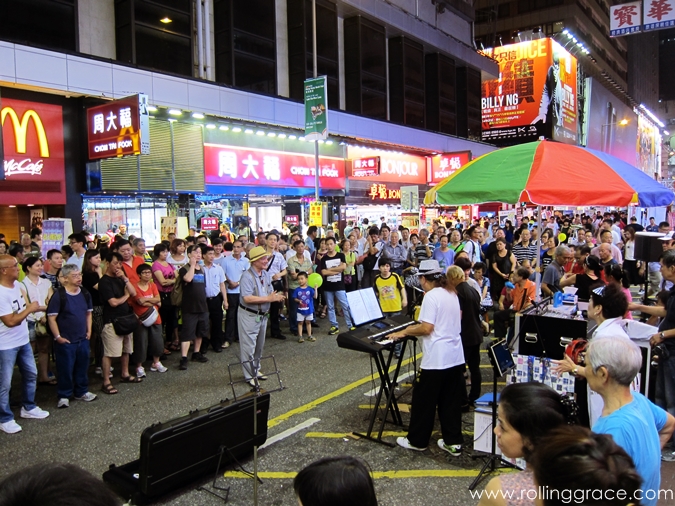
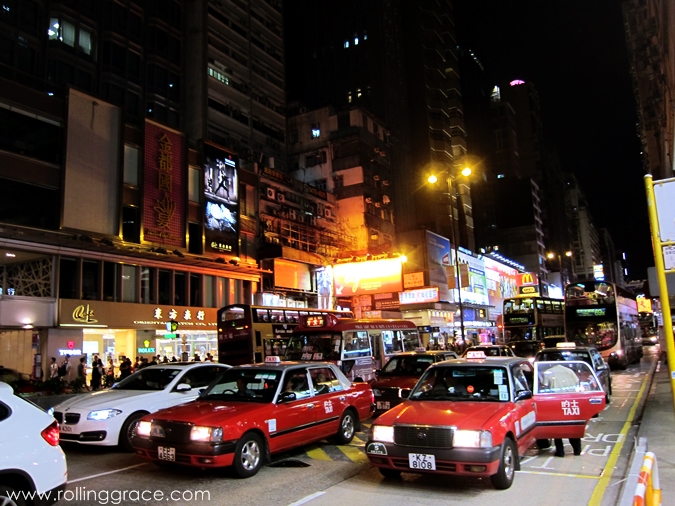
As daylight fades, Mong Kok’s streets shift again. Neon signs glow brighter, and public spaces turn performative. Informal street performances appear along pedestrian zones, especially on Sai Yeung Choi Street.
Expect pop singers, dancers, and occasional traditional acts, all drawing small crowds that gather, pause, and move on. These performances are spontaneous, unpolished, and very much part of the neighbourhood’s character. It is one of the popular things to do in Mong Kok for visitors exploring the district.
Eat Your Way Through Mong Kok
Food in Mong Kok is direct, comforting, and deeply rooted in local habits. You will find everything from quick snacks to time-tested cafés.
Wonton Noodles and Roast Meats
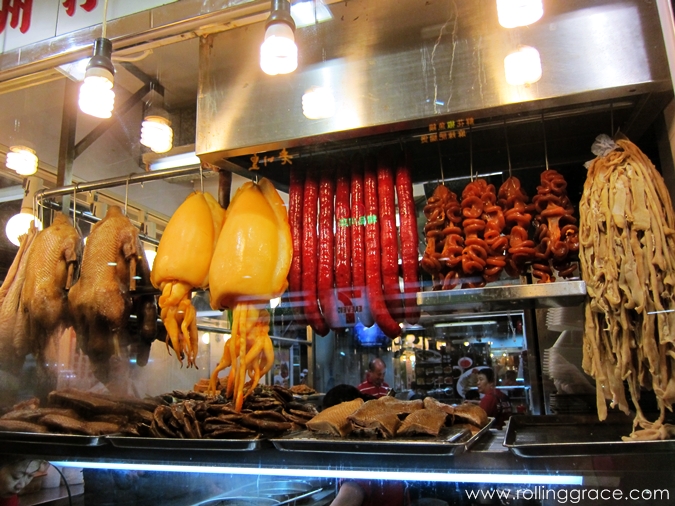
Cha chaan tengs and small noodle shops serve bowls of springy wonton noodles and plates of roast duck or char siu over rice. These meals are practical, filling, and consistently reliable. Pair them with a cup of Hong Kong milk tea for a complete experience.
Egg Waffles
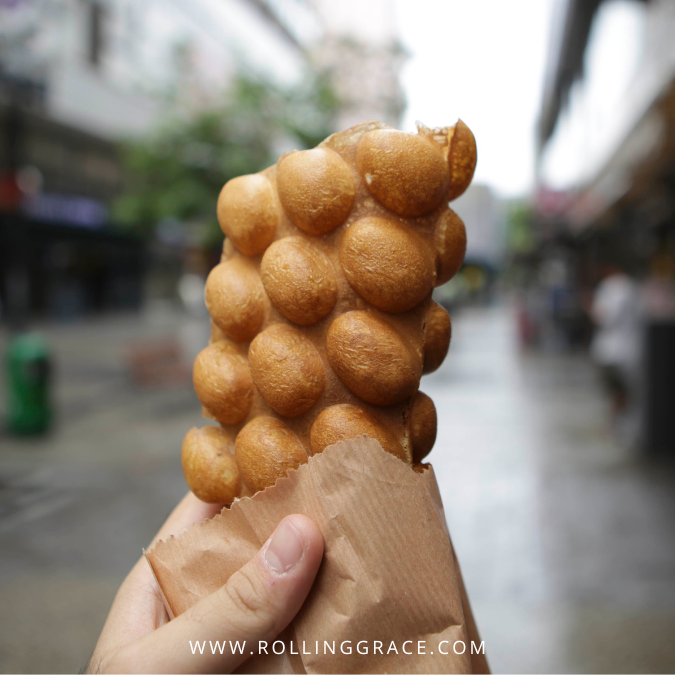
Egg waffles, known locally as gai daan jai, are a signature street snack. Crisp on the outside and soft inside, they are best eaten hot, straight from the mould. Vendors across Mong Kok offer classic versions alongside modern flavours.
Street-Style Hot Pot
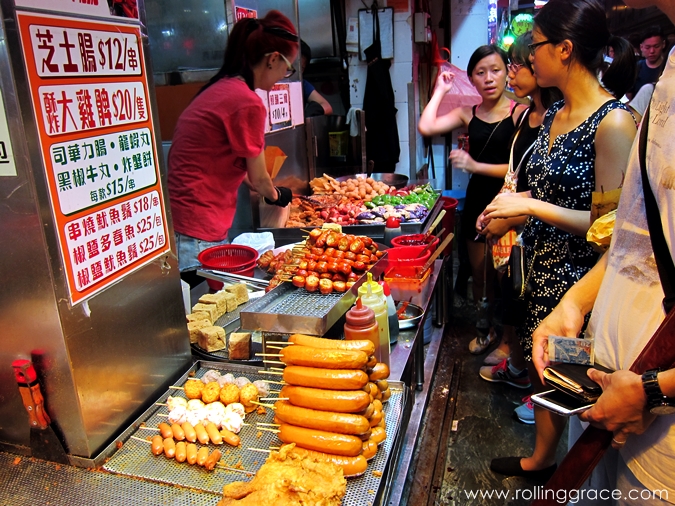
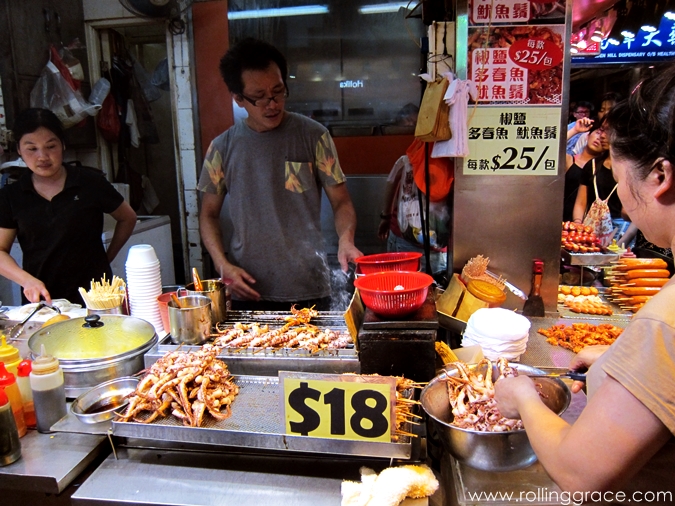
Skewered ingredients simmered in seasoned broth appear at night along market streets. Fish balls, radish, tofu, and vegetables are cooked to order and eaten standing. It is a communal way to eat, shaped by movement and conversation.
Photograph Mong Kok’s Neon Landscape
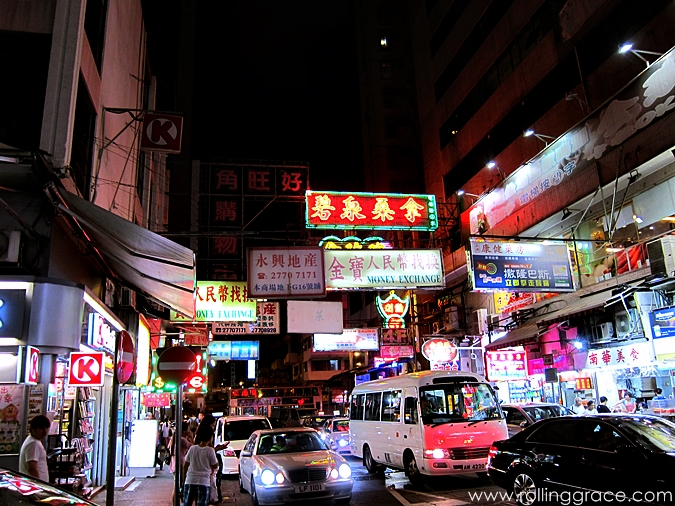
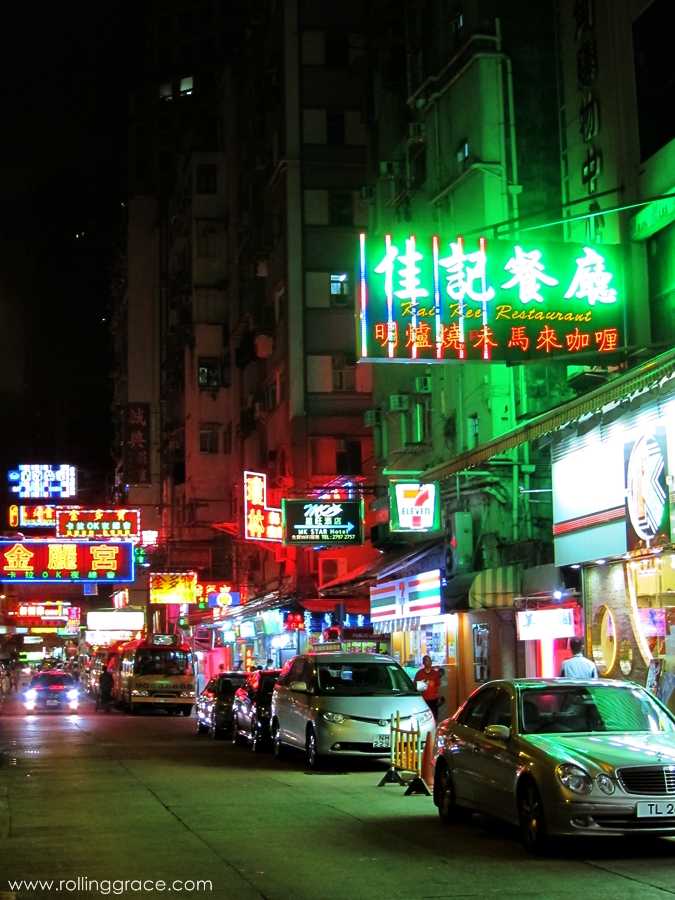
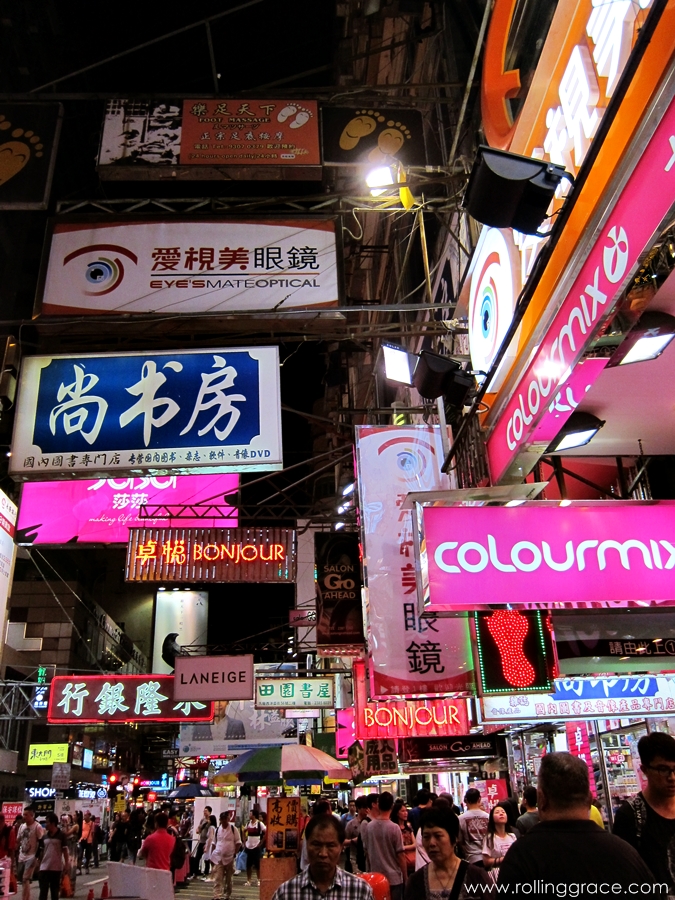
Mong Kok remains one of the best places in Hong Kong to see traditional neon signage. While many signs have disappeared elsewhere, this neighbourhood still carries layers of glowing characters stacked above narrow streets.
Photographing Mong Kok at night captures a visual language that feels increasingly rare. The signs tell stories of businesses past and present, stitched into the architecture itself.
Discover Top Things to do in Mong Kok
Mong Kok is not curated. It is dense, imperfect, and deeply alive. Visiting it offers a clearer understanding of Hong Kong beyond landmarks and skylines. Here, commerce, culture, and routine coexist without pause.
Walking these streets grounds you in the city’s everyday reality. The noise, the food, the markets, and the people together form an experience that lingers long after you leave. For travellers seeking the true pulse of Hong Kong, Mong Kok remains essential.
Love stories like this? Subscribe to the Rolling Grace newsletter for thoughtful travel notes, hidden dining gems, and slow discoveries from across Asia.
Leave a Reply