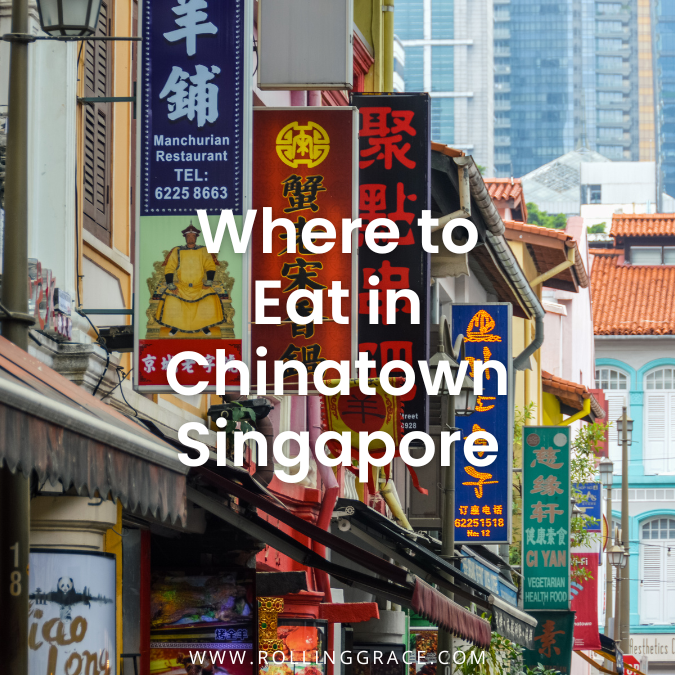
Chinatown remains one of Singapore’s most concentrated food districts. Spanning hawker centres, heritage kopitiams, casual cafés, bars, and Michelin-listed restaurants, the area offers a cross-section of how the city eats day to night.
This guide covers eight of the best places to eat and drink in Chinatown Singapore, chosen for consistency and relevance rather than trend value. It includes hawker staples, modern cafés, neighbourhood bars, and destination dining, with practical details to help you plan your visit.
Read also: 5 Reasons NOX Dine in the Dark Singapore Is Unforgettable
Table of Contents
Best Food District in Singapore
Chinatown’s food culture has built up across generations rather than arriving in a single wave of development. Long-standing hawker stalls operate alongside newer cafés and bars, many of them housed within conserved shophouses along Pagoda Street, Smith Street and Ann Siang Road. Unlike districts built around a single dining identity, Chinatown covers the full day without effort, from early morning kopi and toast through to late-night drinks on Duxton Hill.
The concentration of options within a compact area is what makes it work. Hawker centres, heritage temples, independent cafés and sit-down restaurants sit within a few minutes of each other, and a full day of eating here rarely requires more than a ten-minute walk between stops.
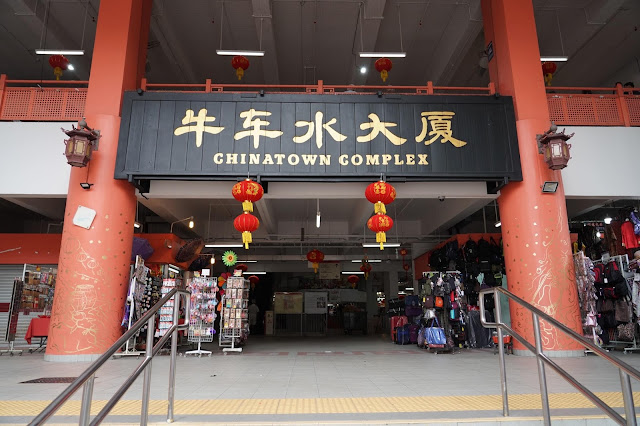
Chinatown Complex Hawker Centre
With more than 260 stalls, Chinatown Complex is Singapore’s largest hawker centre and one of its most important. It remains a working food hall rather than a curated attraction, frequented daily by office workers, residents, and long-time regulars.
The centre is home to several well-known stalls, including Hawker Chan’s soya sauce chicken rice and Ann Chin Handmade Popiah. Beyond recognisable names, the strength of the complex lies in range, from Teochew-style braised dishes to handmade snacks and traditional desserts.
Address: 335 Smith Street, Singapore 050335
Opening hours: 7 am to 10 pm
Nanyang Old Coffee
Nanyang Old Coffee represents the enduring character of Singapore’s kopi culture. The menu is simple and unchanged, centred on traditional kopi or kopi-o served alongside kaya toast and soft-boiled eggs.
This is a place best visited early in the morning, when locals stop briefly before work. Seating is functional and turnover is steady, reinforcing the café’s role as part of daily routine rather than a destination. It remains one of the best restaurants in Chinatown Singapore for local dining.
Address: 268 South Bridge Road, Singapore 058817
Opening hours: 7 am to 6.30 pm

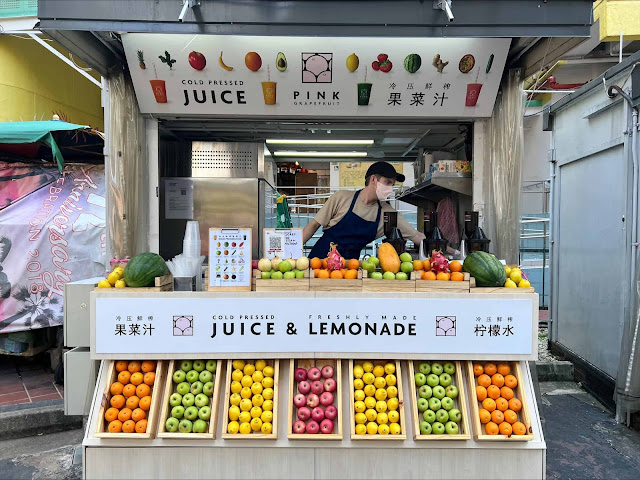
Pink Grapefruit Cold Pressed Juice
Located within the Chinatown Street Market, this cold-pressed juice stall offers a counterpoint to heavier hawker meals. Freshly prepared fruit juices are served without additives, making it a practical stop in Singapore’s heat.
The pink grapefruit juice is a popular choice, balancing acidity and sweetness without masking the fruit’s natural profile.
Address: F&B12, Trengganu Street, Singapore 058950
Opening hours: 9 am to 10 pm
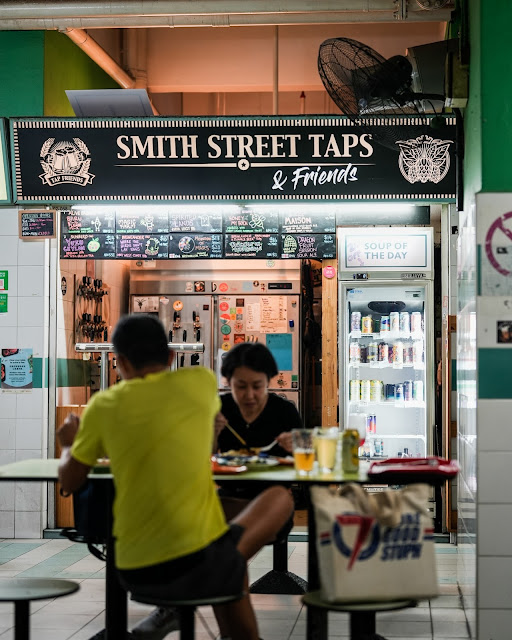
Smith Street Taps
Smith Street Taps sits on the upper level of Chinatown Complex, offering an unexpected pairing of craft beer and hawker food. With over 20 rotating taps, the selection leans toward local and international independent breweries.
The setting is informal, making it suitable for a drink between meals or a relaxed evening without committing to a full bar crawl.
Address: 335 Smith Street, #02-062, Chinatown Complex, Singapore 050335
Opening hours: Tuesday to Friday: 6 pm to 10.30 pm, Saturday: 2 pm to 11 pm
Sago House
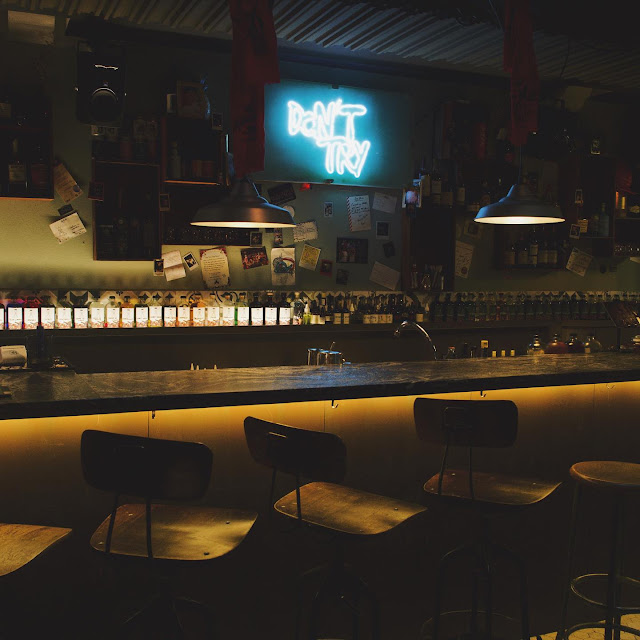
Sago House operates on a rotating menu concept, with cocktails built around a single featured ingredient each week. Recognised in the World’s 50 Best Bars list, it remains understated in scale and tone.
The bar encourages conversation and repeat visits. Reservations are recommended due to limited seating. It is often listed among the best restaurants in Chinatown Singapore.
Address: 37 Duxton Hill, Singapore 089615
Opening hours: 6 pm to 12 am
Nakey
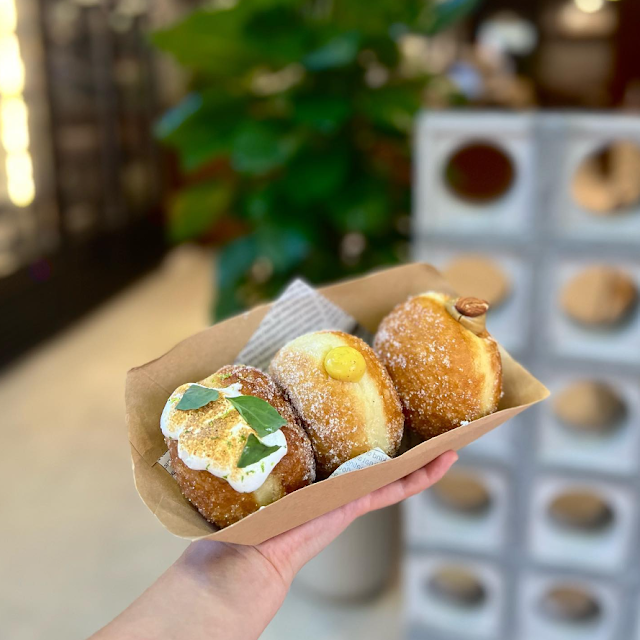
Nakey specialises in sourdough-based bakes, including bagels and doughnuts, produced in small batches. The café attracts a steady crowd throughout the day, particularly on weekends.
Coffee offerings are considered rather than extensive, with the pistachio latte standing out for those looking for something beyond standard espresso drinks.
Address: 10 Trengganu Street, Singapore 058464
Opening hours: 10 am to 8 pm
The Wizard’s Brew
The Wizard’s Brew is a themed café built around visual presentation, with drinks and desserts that incorporate smoke effects and tableside preparation. The concept drives most visits and the space fills quickly on evenings and weekends. It works best as a standalone stop for drinks and dessert rather than a full meal in Chinatown, Singapore.
Address: 10B Trengganu Street, Singapore 058464
Opening hours: 3 pm to 12 am
Closed on Mondays

Cloudstreet
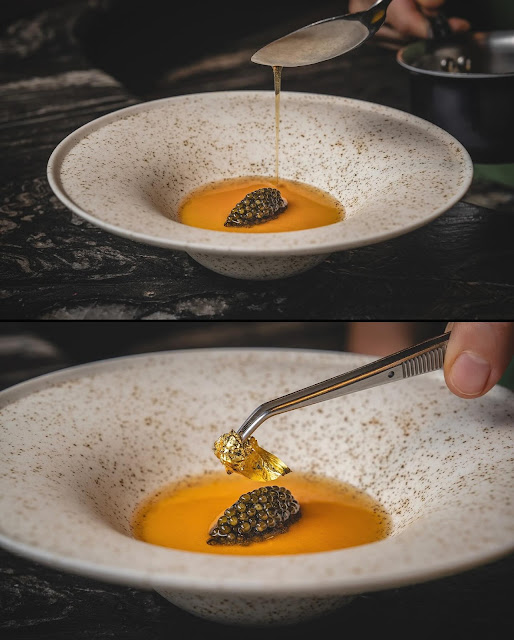
Cloudstreet represents the fine dining end of Chinatown’s spectrum. Led by Chef Rishi Naleendra, the restaurant offers a tasting menu that blends Sri Lankan and Australian influences using seasonal produce.
Dining here is structured and time-intensive, best suited for those planning an evening around the experience rather than fitting it between stops. It is one of the best restaurants in Chinatown Singapore for visitors exploring the area.
Address: 84 Amoy Street, Singapore
Opening hours: 6.30 pm to 10.30 pm
Closed on Sundays and Mondays
Best Time to Visit
Chinatown Singapore is busiest between 10am and 2pm on weekends, when the Chinatown Complex hawker centre and the street market along Pagoda Street draw the highest foot traffic.
Weekday mornings are significantly quieter and better suited to sitting down at a kopitiam without waiting for a table. The area shifts pace after 5pm, when the cafés and bars along Duxton Hill and Ann Siang Road fill with the after-work crowd from the surrounding CBD.
For a full day across multiple stops, starting at a hawker centre for breakfast before the crowds arrive and moving to the heritage streets through the late morning gives the most room to move at a comfortable pace.
How to Get to Chinatown Singapore
Chinatown MRT on the North East and Downtown Lines is the most direct entry point, with exits that bring you out onto Pagoda Street within seconds of leaving the station. Maxwell MRT on the Thomson-East Coast Line opened in 2022 and serves the southern end of the neighbourhood near Maxwell Food Centre and Tanjong Pagar Road, which is useful if you are approaching from Marina Bay or Orchard.
By MRT
Chinatown MRT (NE4/DT19) sits at the intersection of the North East Line and Downtown Line, making it reachable from most parts of Singapore without a transfer. Maxwell MRT (TE18) on the Thomson-East Coast Line covers the Duxton Hill and Amoy Street end of the neighbourhood.
By Bus
Several bus services stop along South Bridge Road and New Bridge Road, connecting Chinatown to Orchard Road, the CBD and HarbourFront. Bus numbers 2, 12, 33, 54 and 63 serve the area regularly.
On Foot
Chinatown is within walking distance of Tanjong Pagar, Telok Ayer and the CBD. The walk from Raffles Place MRT takes approximately ten minutes along Cross Street. The area itself is compact and best navigated on foot, with the core streets covering Pagoda Street, Trengganu Street, Smith Street and South Bridge Road within a ten-minute loop.
Parking
Parking is available at Chinatown Point on New Bridge Road and Pearl’s Hill City Park off Upper Cross Street. Street parking along the surrounding roads operates on the standard Singapore coupon or electronic parking system. Driving into Chinatown on weekends is not advised given the foot traffic and limited available spaces.
Discover Top Restaurants in Chinatown Singapore
Chinatown sits within easy walking distance of Tanjong Pagar, Telok Ayer and the CBD, and the surrounding streets connect naturally into a full day across multiple stops rather than a single meal visit. The area covers enough ground to move between a morning kopitiam, a midday hawker session and an evening restaurant without retracing the same streets.
The neighbourhood’s value lies in its range. Everyday food culture and contemporary dining sit alongside each other here in a way that few other Singapore districts sustain, and the heritage shophouse setting gives the whole area a coherence that newer dining precincts lack. Move between stops without rushing and allow the neighbourhood to unfold across the full day rather than compressing it into a single sitting.
Chinatown remains one of Singapore’s most rewarding neighbourhoods to eat through slowly, and the restaurants in Chinatown Singapore covered in this guide represent the range the area does best.
Love stories like this? Subscribe to the Rolling Grace newsletter for thoughtful travel notes, hidden dining gems, and slow discoveries from across Asia.
Leave a Reply