Sungai Batu Archaeological Site is Southeast Asia’s oldest known civilisation, a collection of ancient structures buried in the Bujang Valley of Kedah that predate Angkor Wat by several centuries and have been quietly rewriting the region’s early history ever since.
The Sungai Batu Archaeological Site is one of Southeast Asia’s most significant yet least understood historical landscapes. Located in Merbok, Kedah, this archaeological complex contains evidence of organised settlement, industry, religion, and international trade dating back to as early as 535 BC.
Long before Angkor or Borobudur, Sungai Batu formed part of an ancient civilisation known today as Kedah Tua. What remains here is not a single monument, but a working landscape of iron smelting sites, jetties, ritual structures, and administrative areas that together suggest a sophisticated society operating at a regional and global scale.
Read also: Gua Charas, Kuantan: A Hidden Temple Cave in Pahang

Why Sungai Batu Matters in Southeast Asian History
Sungai Batu challenges long-held assumptions about where early civilisations in Southeast Asia began. Archaeological findings indicate that Kedah Tua was not peripheral, but central to early maritime trade routes linking India, China, and the Middle East.
This was not only a religious centre shaped by Hindu-Buddhist belief systems, but also an industrial hub. The scale of iron production uncovered here suggests Sungai Batu supplied iron beyond the Malay Peninsula, positioning it as a key entrepôt centuries before Melaka rose to prominence.

Where Sungai Batu Is Located
Sungai Batu lies within the wider Lembah Bujang archaeological zone in Merbok, Kedah. The area sits along ancient river systems that once flowed into the Straits of Malacca, providing access to maritime trade routes.
Today, the site is rural and quiet, surrounded by oil palm estates and small villages. Its low profile reflects limited tourism development rather than lack of historical importance.


Background and Archaeological Discoveries
Excavations at Sungai Batu have revealed an extensive complex comprising:
- 17 iron smelting plants
- 13 administrative structures
- Multiple ritual and religious sites
- At least 10 ancient jetties aligned with former riverbanks
Carbon dating and material analysis suggest continuous activity over many centuries. Merchant ships discovered nearby are believed to have been buried for approximately 4,000 years, reinforcing the site’s role in early international trade.
In a major mapping exercise conducted in 2007, archaeologists identified 17 intact candi. A further 33 candi documented by early British explorers were found to have disappeared over time, largely due to erosion and natural degradation.
A candi refers to ancient religious or ritual structures, often constructed from clay bricks, that predate modern temples and monuments.


Kedah Tua and Early Civilisations in Southeast Asia
Historical records refer to the Kedah Tua civilisation by multiple names, including Queda, Kalah Bar, Kalaha, Cheh-Cha, Ka-Cha, and Qalha. These references appear in Indian, Chinese, and Arab sources, pointing to the region’s long-standing international relevance.
In 2016, international archaeologists confirmed that sites within Lembah Bujang are over 2,000 years old, predating Cambodia’s Angkor Wat and Indonesia’s Borobudur. While claims that Kedah Tua predates ancient Rome or Greece remain debated, its early emergence within Southeast Asia is well established.
What to See and Do at Sungai Batu Archaeological Site
A visit to Sungai Batu is best approached as an educational experience rather than a visual spectacle. The site rewards visitors who arrive with context and patience.
Explore the Candi Sites
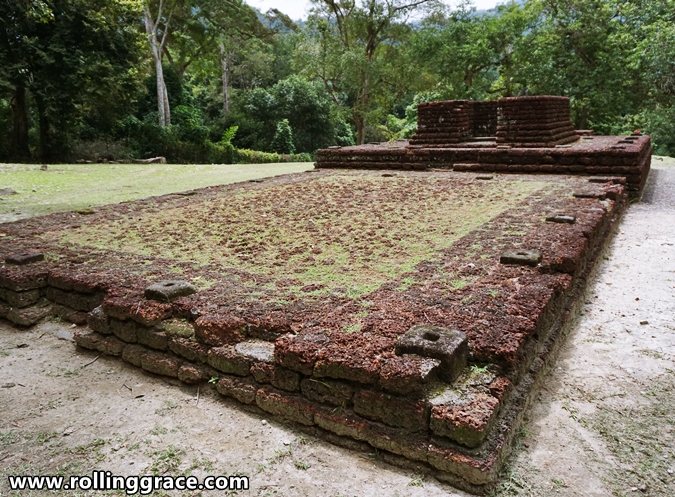
The wider Lembah Bujang area spans over 224 square kilometres and contains Malaysia’s richest concentration of archaeological remains. Among the most notable structures is Candi Bukit Batu Pahat, believed to have been erected in the 6th century AD.
Unlike reconstructed temples elsewhere in the region, most candi here remain in situ and minimally restored. Foundations, brick layouts, and alignment patterns offer insight into early construction techniques and religious practices.

Visit the Lembah Bujang Archaeological Museum
The Lembah Bujang Archaeological Museum provides essential context for understanding the site. Exhibits include inscribed stone caskets, tablets, iron tools, ceramics, beads, and Hindu religious artefacts.
A statue of Lord Ganesha is among the most recognisable items on display, underscoring the influence of Hindu belief systems within Kedah Tua.

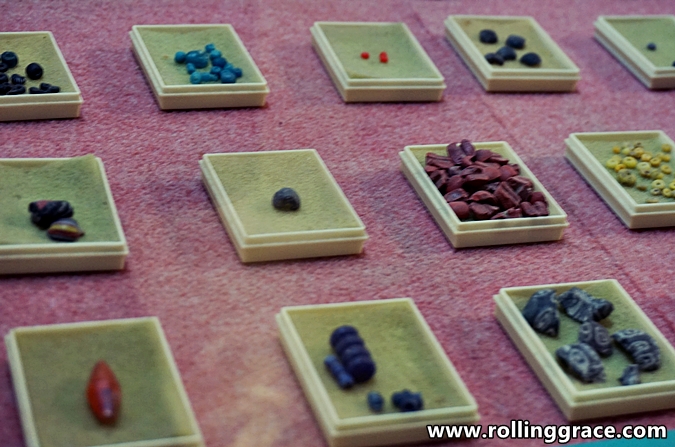

Observe Ongoing Excavation or Volunteer
Excavation work continues at Sungai Batu, and visitors may occasionally observe archaeologists at work. Opportunities to participate as a volunteer are sometimes available, particularly for students or those with an academic interest in archaeology or anthropology.
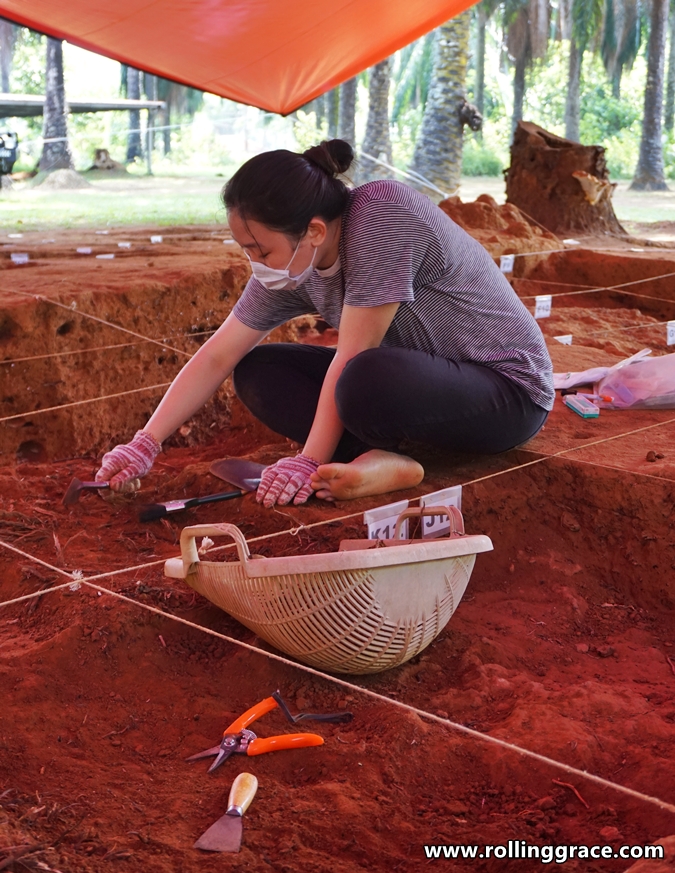

Learn About Ancient Brick Making and Iron Smelting
Demonstrations and explanations at the site highlight how early communities produced clay bricks and smelted iron using locally sourced materials. These activities illustrate the technological capabilities that underpinned Kedah Tua’s economic success.


What to Expect When Visiting Sungai Batu
Sungai Batu is not a polished heritage attraction. Facilities are limited, and interpretation is minimal. Visitors should be aware of:
- Limited signage and on-site explanations
- Uneven walking paths across open terrain
- Ruins that may appear fragmented without prior knowledge
Those familiar with sites like Angkor Wat may find Sungai Batu understated. Its value lies in evidence rather than reconstruction.

Practical Travel Tips
- Allow at least half a day to explore the site and museum
- Wear comfortable footwear suitable for outdoor walking
- Bring water and sun protection, as shaded areas are limited
- Research beforehand to fully appreciate what you are seeing
How to Get to Sungai Batu
From Sungai Petani, take a shuttle bus to Sungai Merbok via the Sungai Petani bus terminal. The site is approximately 70 kilometres south of Alor Setar and is easily accessible by car or taxi.
Driving offers the most flexibility, particularly if visiting multiple sites within Lembah Bujang.
Ticket Price
Entrance to the Sungai Batu Archaeological Site is free. There is no fixed time limit, but a half-day visit is recommended to explore the main areas comfortably.
Contact Information
Address: Lembah Bujang, Kampung Permatang Samak, Bedong 08100, Kedah, Malaysia
Opening hours: 9 am to 3 pm (Closed on Saturday)
Contact number: +6019 753 7327
Sungai Batu does not impress through scale or restoration. Its significance lies in what it represents: early organisation, belief, and industry at a time when much of Southeast Asia’s history remains undocumented.
For travellers interested in archaeology, early civilisations, and the foundations of regional trade, Sungai Batu offers one of Malaysia’s most quietly important experiences.
If you visit, take your time. Context matters here more than spectacle.
Love stories like this? Subscribe to the Rolling Grace newsletter for thoughtful travel notes, hidden dining gems, and slow discoveries from across Asia.
Leave a Reply